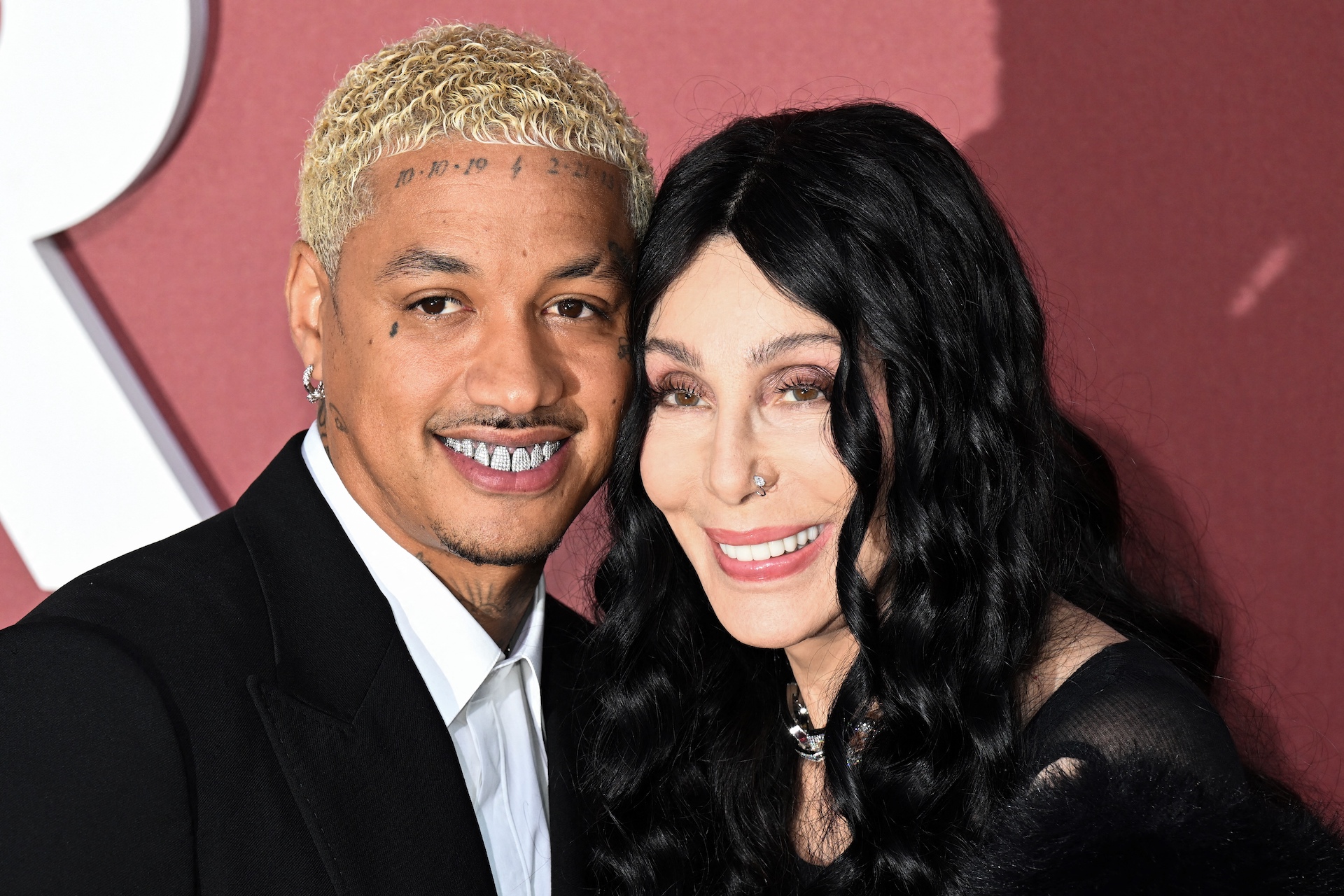
🚨🔥 SHOCKING MOMENT: DAKOTA JOHNSON AT THE CENTER OF A MYSTERIOUS CCTV FOOTAGE STORY — FANS DEMAND ANSWERS AS AN ALLEGED HOLLYWOOD INCIDENT SPARKS ONLINE SPECULATION! 😱🎬
Hollywood actress Dakota Johnson has become the subject of a mysterious social media story suggesting that newly retrieved CCTV footage may have captured an unexpected incident involving the star. The dramatic headline claims that surveillance recordings were recovered just minutes before the story began circulating, creating the impression that a significant development has emerged in the entertainment world. However, the account stops abruptly before explaining what Johnson supposedly did or what the footage allegedly shows. It provides no identifiable location, date, authenticated recording, or official statement confirming that any unusual incident occurred. Despite those missing details, the combination of Johnson's name, the suggestion of surveillance footage, and the urgency of a breaking-news headline has the potential to attract widespread curiosity. The actress has spent years navigating public attention while maintaining a relatively private personal life, making an alleged behind-the-scenes incident especially intriguing to celebrity followers. Yet the available description does not establish whether Johnson was involved in a confrontation, an unexpected encounter, a security incident, or anything unusual at all. Those possibilities cannot be responsibly presented as facts. What the circulating claim does reveal is how easily a vague reference to supposed video evidence can create an atmosphere of mystery around a recognizable public figure, even before any authentic footage has been made available for examination.

Dakota Johnson's position in the entertainment industry helps explain why a headline involving her can quickly attract attention. Born in Austin, Texas, in 1989, Johnson grew up in a family deeply connected to Hollywood. Her parents, actors Melanie Griffith and Don Johnson, established successful careers long before she began pursuing her own professional ambitions. Her grandmother, Tippi Hedren, is also known for her work in classic Hollywood cinema, creating a family history closely associated with the film industry. Despite that background, Johnson gradually developed a public identity distinct from her famous relatives. Her international breakthrough came through the "Fifty Shades" film franchise, which introduced her to audiences around the world and transformed her into one of the most recognizable actresses of her generation. The franchise generated enormous attention, placing Johnson under intense scrutiny at a relatively early stage of her career. She subsequently pursued a range of projects that demonstrated her interest in more varied and challenging material. Her performances in films such as "Suspiria," "The Lost Daughter," and "Cha Cha Real Smooth" helped expand her reputation beyond the role that initially made her internationally famous. These projects revealed her ability to portray emotionally complicated characters while maintaining a distinctive, understated screen presence. Johnson has also become known for her dry humor and candid interview style, qualities that have contributed to her popularity beyond her film work. Her public appearances frequently generate discussion because she often responds to questions with a combination of directness and subtle comedy. That recognizable personality has made her a frequent subject of viral interview clips and entertainment commentary. However, familiarity with a celebrity's public image does not provide evidence about an alleged private incident. The circulating CCTV story offers no authenticated information connecting Johnson to the circumstances it implies. Her professional history may explain public curiosity, but it cannot establish the truth of an unidentified claim.

The reference to CCTV footage is particularly significant because surveillance recordings often carry an appearance of objectivity. Unlike personal recollections or anonymous rumors, video evidence can sometimes provide a direct visual record of an event. In criminal investigations, workplace disputes, and security incidents, authentic surveillance footage may help establish timelines, identify individuals, or clarify disputed circumstances. Yet video material is not automatically reliable simply because it is described as CCTV. Its evidentiary value depends on several factors, including the recording's authenticity, original source, date, location, completeness, and chain of custody. A short clip removed from its original context may create a misleading impression, especially when viewers cannot see what happened before or after the recorded moment. Camera angles can obscure important details, while low resolution or poor lighting may make identification difficult. A recording may also be mislabeled, edited, or presented with an inaccurate description. These limitations are particularly important when the subject is a public figure whose appearance is widely recognizable. Social media users may assume that a person shown in a blurry recording is a celebrity based on a caption rather than clear visual evidence. In other situations, unrelated footage may be republished with a famous person's name attached to attract attention. The growing availability of AI-generated video and sophisticated editing tools adds another layer of complexity, making independent authentication increasingly important. The current story provides no original recording, verified source, or reliable description of the supposed incident. It therefore offers no basis for determining whether any surveillance footage involving Johnson exists. The claim that a recording was retrieved only ten minutes earlier also remains unsupported. Such precise timing can create urgency, encouraging readers to react before considering whether the information has been verified. Without an identifiable retrieval record or statement from a credible source, the timestamp functions as part of the headline's dramatic presentation rather than an established fact.

The fascination surrounding this alleged CCTV incident reflects a broader pattern in celebrity coverage, where incomplete information can generate extensive speculation. Public figures often attract attention not only for their professional achievements but also for events that appear to reveal aspects of their private lives. A photograph outside a restaurant, an unexpected public encounter, or an unidentified video clip can become the basis for elaborate narratives that spread rapidly across social media. When those narratives involve a recognizable actress such as Dakota Johnson, curiosity may increase because audiences feel familiar with her personality through interviews, films, and public appearances. Yet that familiarity can create a false sense of certainty. Viewers may believe they understand how a celebrity would behave in a particular situation, even when the actual circumstances remain unknown. The circulating headline takes advantage of that tendency by suggesting that something dramatic happened without identifying the event itself. Its unfinished wording invites readers to imagine a shocking confrontation, surprising discovery, or embarrassing moment. However, none of those interpretations is supported by the available description. The absence of a completed allegation is especially important because it prevents readers from evaluating even the basic nature of the supposed incident. There is no confirmed location, no identifiable witness, no official account, and no authenticated video. Without those details, the story cannot establish that Johnson was involved in any noteworthy event.
Celebrity surveillance stories also raise questions about privacy and the responsible use of recorded material. Even when footage is genuine, its existence does not automatically make every moment appropriate for public distribution. Security cameras are commonly installed to protect people and property, not to provide entertainment content about individuals who happen to appear within their view. A recording involving a public figure may attract attention because of the person's fame, but the public interest in the footage should be considered separately from curiosity about private behavior. If a video documents a legitimate matter of public concern, accurate reporting should explain its relevance while avoiding unnecessary speculation. If it depicts an ordinary private moment, sensationalizing the footage may unfairly intrude on someone's personal life. In Johnson's case, the circulating account does not establish that any recording exists, much less that it documents conduct relevant to public safety or another legitimate news issue. Presenting an unidentified video as evidence of wrongdoing would therefore be particularly irresponsible. The mere suggestion that CCTV footage has been recovered does not imply that a crime occurred, that authorities are investigating, or that the person named in the headline has done anything improper.
Another important factor is the way sensational headlines can transform uncertainty into apparent certainty through repetition. A post may begin by describing an incident as something that reportedly happened. Other accounts may then repeat the claim while omitting words such as "allegedly" or "reportedly," gradually creating the impression that the event has been confirmed. As the narrative spreads, unrelated photographs or videos may be attached to give the story visual credibility. Readers who encounter several similar posts may assume that independent sources have verified the information, even when every version originates from the same unsupported claim. This process can be especially damaging when the story involves a person's reputation. An incomplete headline can encourage audiences to fill in the missing details with their own assumptions, potentially associating an individual with misconduct or controversy without evidence. Responsible entertainment journalism must avoid that pattern by distinguishing between verified events, unconfirmed reports, and speculation. The current Dakota Johnson story belongs in the unverified category because it lacks the fundamental details required to establish that anything unusual occurred.
The actress's documented professional achievements provide a more reliable foundation for understanding why she remains a prominent subject of entertainment coverage. Johnson has demonstrated an ability to move between commercial productions and independent films, often selecting projects that explore unconventional characters or emotionally complicated relationships. Her career reflects a willingness to experiment with different genres while maintaining a recognizable acting style. She has also become a familiar presence at major film festivals, premieres, and fashion events, where her appearances frequently generate attention. Those public activities are supported by identifiable photographs, interviews, and event records. They stand in contrast to the supposed CCTV incident, which has not been accompanied by comparable evidence. That distinction illustrates why source verification matters: genuine entertainment developments can be described with specific dates, locations, participants, and statements, while unsupported narratives often rely on mystery and emotional language.
For fans hoping to understand what the circulating story means, the most important question is whether the alleged footage can be authenticated. A credible report would need to establish where the recording originated, when it was captured, who verified the identity of the person shown, and what the complete footage actually depicts. If the claim concerns an official investigation, reliable documentation from the relevant authorities would also be important. None of those elements has been provided in the circulating teaser. As a result, there is no responsible basis for describing Johnson as having participated in a confrontation, committed wrongdoing, or experienced a dangerous incident. The dramatic presentation may encourage speculation, but it does not establish facts.
Ultimately, the alleged CCTV story illustrates the difference between an attention-grabbing headline and a verified news report. Dakota Johnson's fame makes her an appealing subject for viral entertainment content, and the suggestion of newly recovered surveillance footage adds a sense of urgency and intrigue. Yet the central claim remains undefined and unsupported. Until authentic footage or reliable reporting establishes what occurred, the supposed incident should not be treated as a confirmed development. Johnson's career, public appearances, and artistic accomplishments continue to provide genuine subjects for entertainment coverage without the need for invented controversy. For now, the most accurate conclusion is that a sensational social media narrative has raised questions without providing the evidence necessary to answer them.
DISCLAIMER: This article examines an unverified circulating social media claim suggesting that CCTV footage involving Dakota Johnson was recently retrieved. No authenticated recording, specific incident, official investigation, or reliable statement has been established confirming the allegation. This article does not accuse Johnson of wrongdoing or claim that any dangerous or criminal event occurred. The three photographs are illustrative and do not depict the alleged surveillance footage or incident.